𝐌𝐨𝐫𝐞 𝐓𝐡𝐚𝐧 𝐚 𝐑𝐞𝐝 𝐋𝐢𝐠𝐡𝐭: 𝐂𝐡𝐞𝐥𝐬𝐞𝐚 𝐏𝐫𝐢𝐦𝐚𝐫𝐲 𝐒𝐜𝐡𝐨𝐨𝐥 𝐂𝐡𝐚𝐦𝐩𝐢𝐨𝐧𝐬 𝐃𝐲𝐬𝐥𝐞𝐱𝐢𝐚 𝐀𝐰𝐚𝐫𝐞𝐧𝐞𝐬𝐬
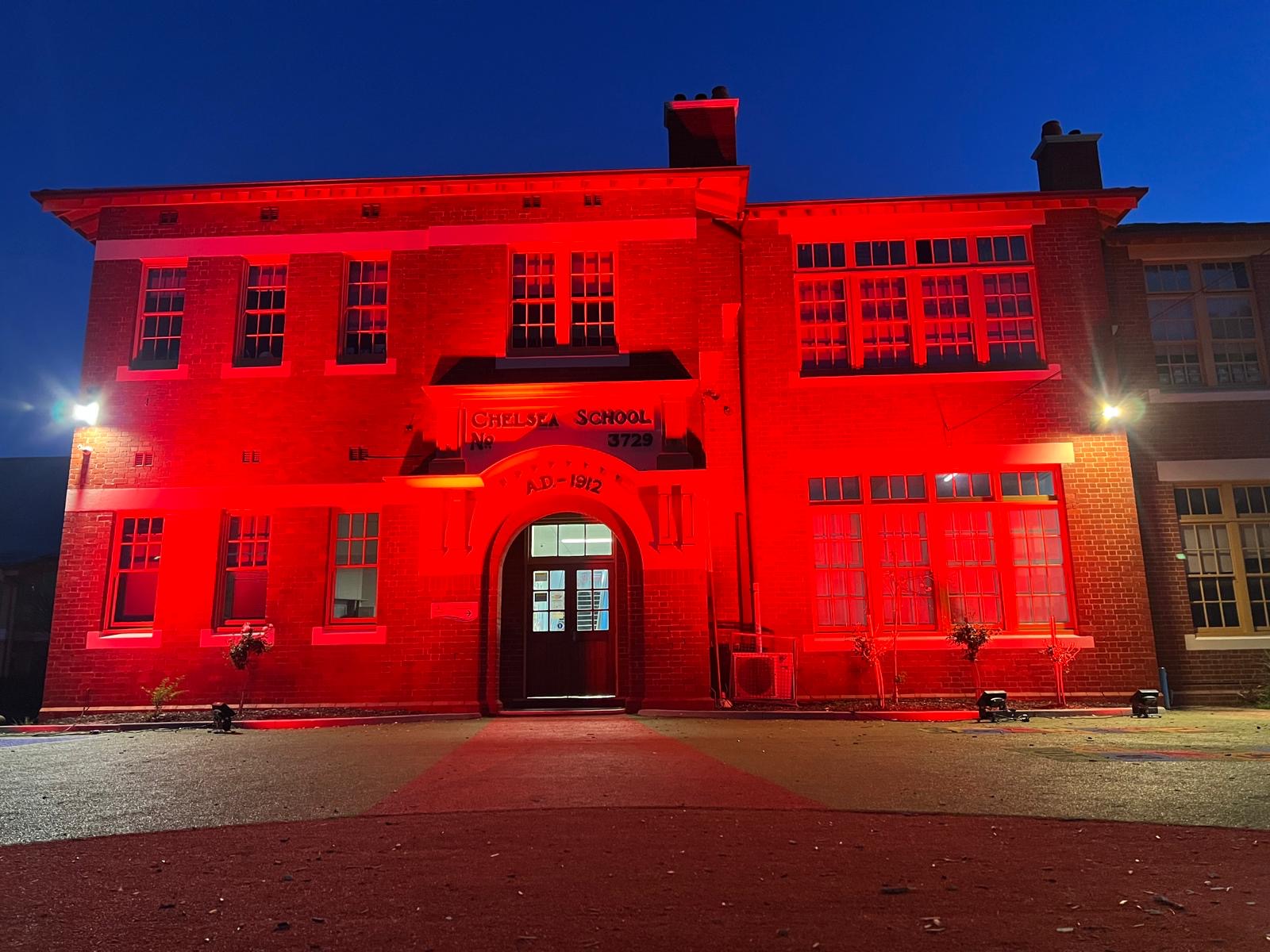
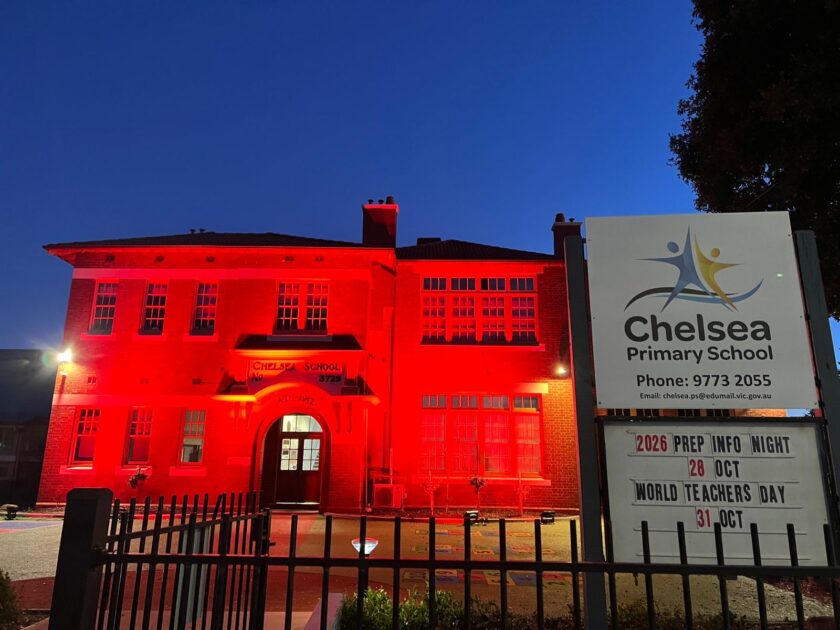
Chelsea Primary School is lighting up red for Light It Red for Dyslexia Awareness Month 2026, championing early identification, the right support, and every child’s potential. Guided by its motto, “Every child matters, every day,” the school reminds us that with understanding and support, every student can thrive.
Supporting Dyslexia Awareness
Why is Light It Red for Dyslexia important to Chelsea Primary School?
At Chelsea Primary School, inclusion is at the heart of what we do. We believe that literacy is inclusion. Being able to access reading, writing and the wider curriculum is fundamental to a child’s ability to participate, learn and feel successful at school.
Our school motto, “Every child matters, every day,” reflects our belief that every student deserves to be seen, understood and supported to reach their potential.
Dyslexia can sometimes be a hidden barrier. Students with dyslexia do not always stand out as needing additional support, particularly when they have developed strategies to compensate or have strengths in other areas. However, difficulties with reading, spelling and written language can create a very real barrier to accessing the curriculum and fully participating in the school environment.
Light It Red for Dyslexia gives us an opportunity to make that invisible barrier more visible. Lighting our school red is a way of saying to our students, families, and wider community that dyslexia matters, that we understand it can impact a child’s experience of school, and that we are committed to providing the support students need.
For us, it is about much more than lighting a building. It is about creating awareness, understanding and a culture where students know they belong.
What does raising awareness of dyslexia mean for your students, staff, and families?
For our students, awareness helps them understand that finding reading or spelling difficult does not mean they aren’t capable. We want students to understand their strengths as well as the areas where they may need support.
We also want our students to understand the possibilities of dyslexic thinking. We know that students can bring valuable strengths such as creativity, visualisation, problem-solving, reasoning, connecting ideas and thinking differently. We want those strengths to be recognised and celebrated alongside their literacy needs.
For staff, awareness helps us recognise that a student who is struggling may not always look like a student who needs intervention. It encourages us to look beneath the surface and ask what might be creating a barrier to learning.
For families, awareness helps create open conversations and reinforces that they are an important part of the team. We work closely with parents and carers because we know that the best support happens when school, family and student are working together.
Early Identification and Intervention
How does Chelsea Primary School identify students with reading difficulties?
We start with data to identify students who may be experiencing difficulties with reading and spelling. We then use this information, alongside teacher knowledge and classroom observations, to determine the next steps for each individual student. Targeted assessment helps us understand the specific skills that may be creating a barrier, allowing us to provide targeted teaching, intervention and ongoing progress monitoring.
Our approach is about looking at the whole child and using multiple sources of information to guide our decisions, rather than relying on a single assessment or waiting for a student to become significantly behind. We monitor areas such as phonological awareness, phoneme knowledge, decoding, encoding, tricky word knowledge, reading fluency and accuracy. We also pay attention to how a student approaches reading and writing, their confidence, their engagement and the strategies they use when something becomes difficult.
This is particularly important with dyslexia because it can be a hidden difficulty. A student may appear capable and engaged in the classroom while still working extremely hard to access literacy tasks. We work closely with classroom teachers, families and students to build a picture of what the child needs and how we can best support them. Intervention is provided from foundation where required.
What programs, strategies or supports do you have in place?
Our whole school approach is based on explicit, systematic and structured approaches to literacy. Our teachers and several of our Education Support staff have undertaken training in the Orton-Gillingham approach. We use a multisensory approach and structured literacy principles, with a strong focus on phonemic awareness, phoneme-grapheme relationships, decoding, encoding, tricky words, fluency and comprehension.
We use decodable texts and carefully selected resources so that students have meaningful opportunities to practise the skills they have explicitly been taught. We also use ongoing progress monitoring to understand whether students are making progress and to adjust intervention according to their needs. We run a strong literacy intervention program from foundation to grade 6 to provide targeted support for students who require additional assistance with reading and literacy. These programs are an important part of the range of supports we use to help students develop their literacy skills and access the curriculum.
Our intervention and tutoring are responsive to individual student needs. We look closely at the specific skills that are creating a barrier, use assessment and progress monitoring to guide our teaching, and provide explicit instruction and repeated opportunities for students to practise and experience success.
Impact on Students
What difference have your early identification and support approaches made for students?
One of the most rewarding things we see is a change in how students view themselves as learners.
When students receive targeted support, they begin to experience success in an area that may previously have been a source of frustration. Progress isn’t only about a reading score. We look for students becoming more willing to attempt unfamiliar words, using strategies independently, showing persistence and participating more confidently.
Sometimes the most significant change is when a student who previously said, “I can’t do this,” begins to say, “I’ll have a go.”
What changes have you seen in areas such as reading, confidence, engagement or participation?
We often see students become more willing to take risks with reading and writing when they understand that mistakes are part of learning and that they have strategies they can use. As students develop their literacy skills, we can see increased independence, greater participation in classroom activities and improved confidence.
We also want students to understand that their literacy difficulties do not define them. A child may need significant support with reading while also being an incredible artist, problem-solver, storyteller, communicator, designer, thinker or leader.
We want to make sure our students see the whole picture of themselves.
Can you share an example that illustrates the impact?
So many examples, but one example always sticks with me…
We had a grade 5 boy that had come from another school. He was disruptive and disengaged with learning, frequently sitting in class with his head down on the desk. He said he thought he was ‘dumb’ and couldn’t do the work. We started working with him in 1:1 Intervention, using his interests and existing strengths to help build rapport and engagement in the sessions. He soon began to enjoy his sessions, gaining real success in all areas of his literacy skills. He stopped acting out in class and stated to participate. His confidence grew and he started making friends. For the first time in his schooling years, he understood that he wasn’t ‘dumb’, he just needed to be taught the right way. His Mum met up with us and couldn’t believe his transformation. There was no longer school refusal, he was now happy, engaged and enthusiastic about school! We are not just teaching a child to read a word. We are helping them see themselves as someone who can learn.
Building an Inclusive School Community
How do you create a school environment where students with dyslexia feel supported, understood and able to thrive?
Inclusion is central to our school culture, and we believe that literacy is a significant part of inclusion. We want our students to know that we see them not just their reading data or the things they find difficult, but the whole child.
We use strengths-based language and talk about different ways of learning. We encourage students to recognise their individual strengths and understand that needing support in one area does not diminish their abilities in another. Our Dyslexia Awareness activities help make these conversations visible across the whole school. Events such as Wear It Red Day, our whole-school assembly and Light It Red give us opportunities to talk openly about dyslexia and different ways of thinking.
We want students to know that they are not alone, that their difficulties are understood and that there are people around them who will help them find a way forward.
What advice would you give to other schools about the importance of early identification and intervention?
Our biggest piece of advice would be to approach it as a team. Bring the student, family, classroom teacher and support staff into the conversation. Listen to the student and understand what they are experiencing. Families know their children incredibly well, and students themselves can often tell us things about their learning that assessment data cannot.
Don’t wait for a child to fall significantly behind before investigating what is happening. Dyslexia can be a hidden barrier, and students can work incredibly hard to compensate for their difficulties. Look at the whole child, identify the barriers and then work together to put the right supports in place.
And remember that literacy support isn’t an additional extra that sits outside inclusion. Literacy is inclusion. If a child cannot access the literacy demands of the curriculum, then targeted literacy support can be the thing that enables them to participate more fully in school.
Light It Red for Dyslexia 2026
What are you most looking forward to during your three-day school light-up and Wear It Red Day on 14 October?
We are really looking forward to making dyslexia visible across our whole school community.
We will be lighting Chelsea Primary School red from 13–15 October and holding our Wear It Red Day on Wednesday 14 October. We are also holding a special whole-school Dyslexia Awareness assembly and author visit which we are particularly excited about. We have some wonderful activities planned, including a whole school art piece, watching a fantastic video from made by dyslexia and teachers reading a book by Australian children’s author Sally Rippin in their classroom.
Sally’s School of Monsters books are particularly loved by our intervention students, so it is a lovely way to connect dyslexia awareness with something our students already enjoy, books and reading.
We are also incredibly excited to have a group of dyslexic grade 6 students sharing their stories at our assembly. Most importantly, we want our students to be at the centre of the day. We want them to hear positive messages about dyslexia, understand their own strengths and leave knowing that we see them, we believe in them and there are many possibilities ahead of them.
What do you hope your participation will achieve in raising awareness and understanding of dyslexia?
We hope it starts conversations that continue well beyond October. We want our students to understand that dyslexia is nothing to be ashamed of and that needing support with reading does not define what they are capable of.
We also hope our participation helps families and the wider community understand that dyslexia can be a significant barrier to accessing learning and that early identification and appropriate support matter. Our dyslexic students want others to know that they are not dumb.
We would love for our Light It Red campaign to reach beyond our own school and encourage other schools to think about what support they have available for students with dyslexia. Ultimately, we hope increased awareness leads to increased understanding and, where needed, greater access to the resources, staffing and funding schools need to provide effective literacy intervention and support. Schools want to support their students but having the capacity and resources to provide that support is incredibly important.